
Why Choose Moonbay Plastic Formwork
Superior performance and cost savings for modern construction projects
How Many Times Can Plastic Formwork Be Reused?
Plastic formwork systems are built for durability, typically achieving 50–100 reuse cycles, far exceeding plywood’s 5–10 uses. With reinforced PP material and optimized design, they maintain strength and stability even after repeated use, making them a highly cost-effective solution for repetitive casting projects. The extended lifespan reduces cost per use while also minimizing material waste, lowering disposal costs, and decreasing carbon footprint, making plastic formwork an efficient and sustainable choice for modern construction.
Learn How This Benefits Your Project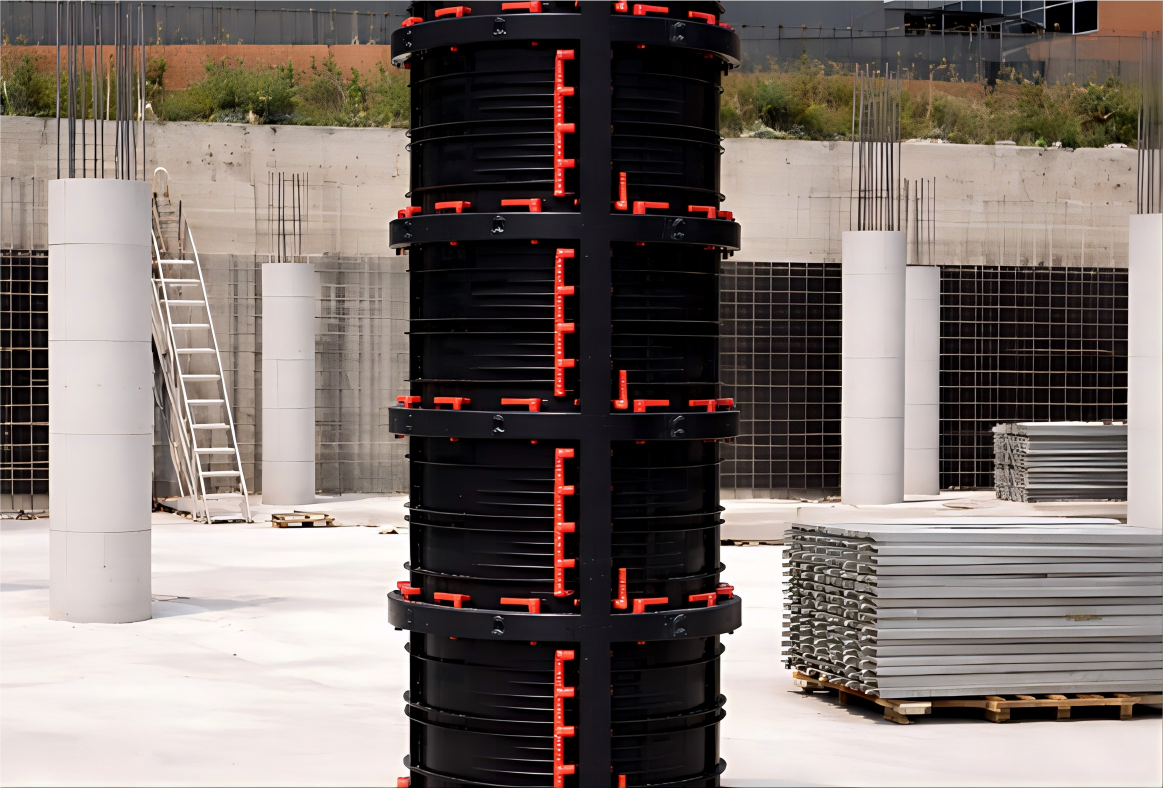
Installation Mistakes That Reduce Formwork Performance
Plastic formwork systems are designed for durability and efficiency, but improper installation can significantly affect performance. Issues such as incorrect support spacing, weak connections, panel misalignment, and insufficient bracing may lead to concrete leakage, surface defects, and structural instability, increasing the risk of delays and rework. By following proper installation guidelines—ensuring accurate alignment, secure connections, and correct support—contractors can achieve reliable performance, consistent quality, and long-term cost savings.
Learn How This Benefits Your Project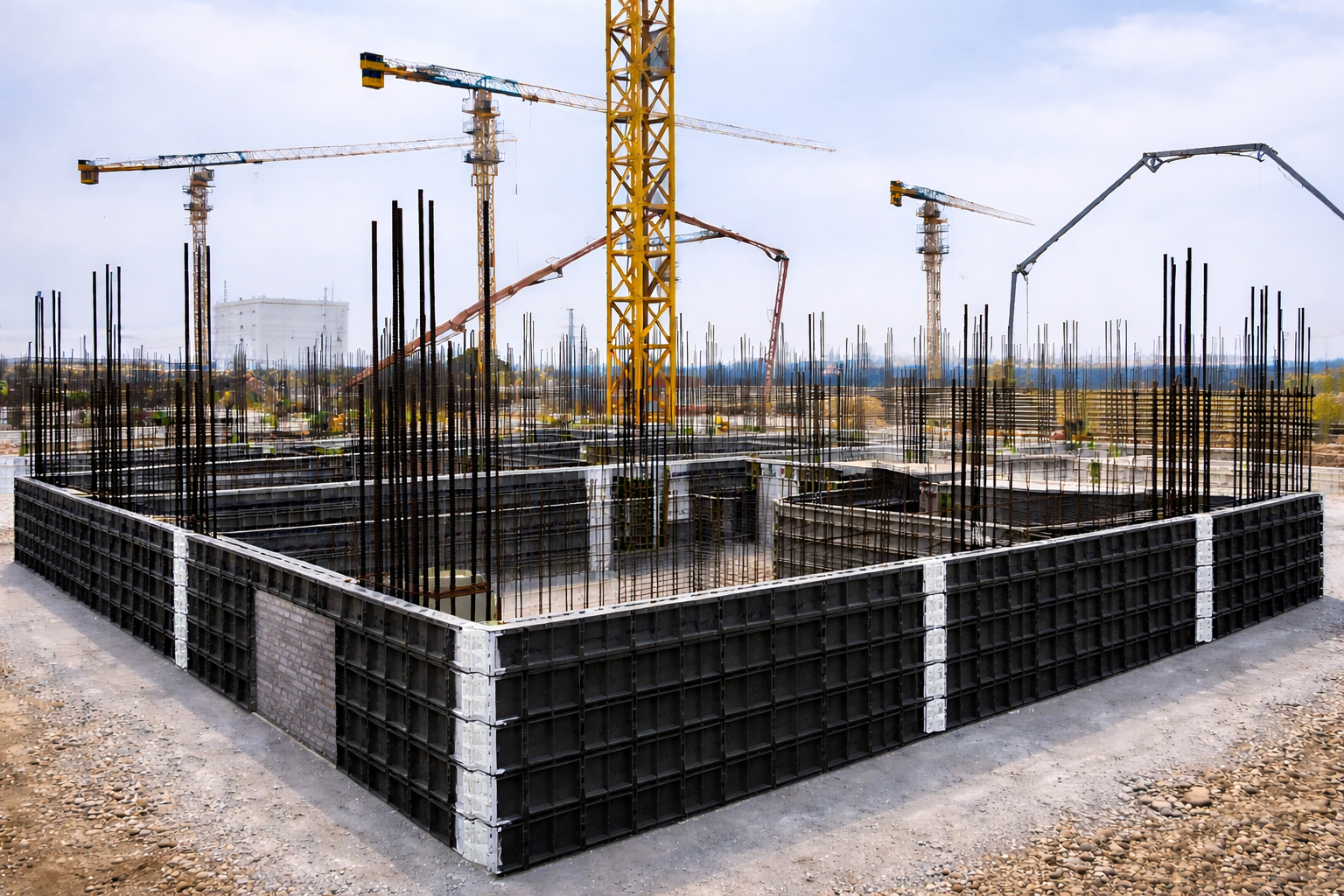
Why Plastic Formwork Is Ideal for Repetitive Housing Projects
Plastic formwork is ideal for repetitive housing projects, where its modular design and high reuse rate help reduce costs while improving efficiency and consistency. It enables fast assembly and dismantling, shortens construction cycles, reduces labor dependency, and maintains consistent concrete quality. This results in faster project completion, better build quality, and lower overall costs, making it a perfect solution for affordable housing and large-scale residential developments.
Learn How This Benefits Your Project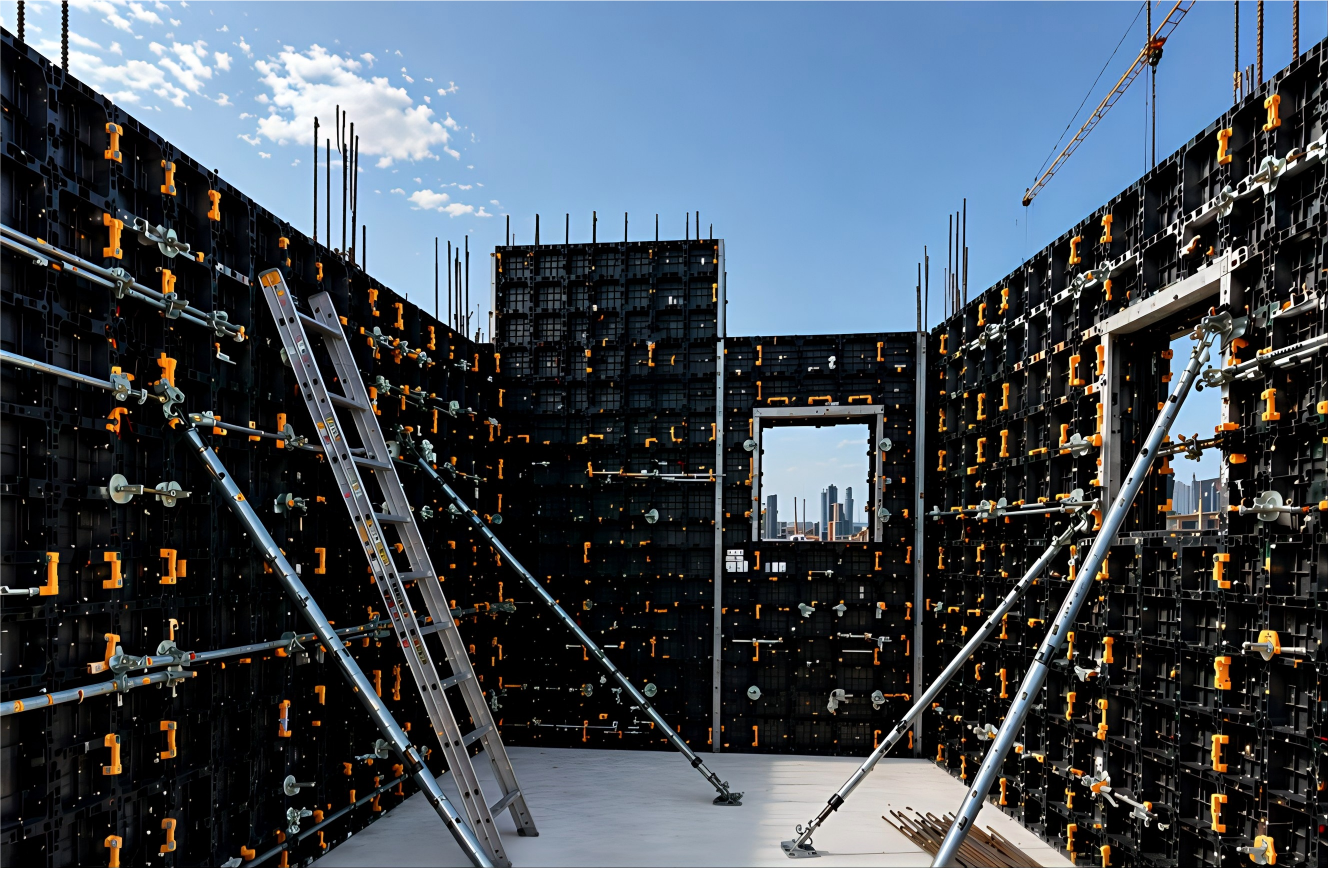
Why Plastic Formwork Does Not Deform Like Timber
Timber formwork absorbs moisture, leading to swelling, warping, and surface defects that reduce dimensional accuracy and increase repair costs. In contrast, plastic formwork is non-absorbent and chemically resistant, maintaining stable dimensions throughout its lifecycle and delivering more consistent concrete finishes with fewer defects and less rework.
Learn How This Benefits Your Project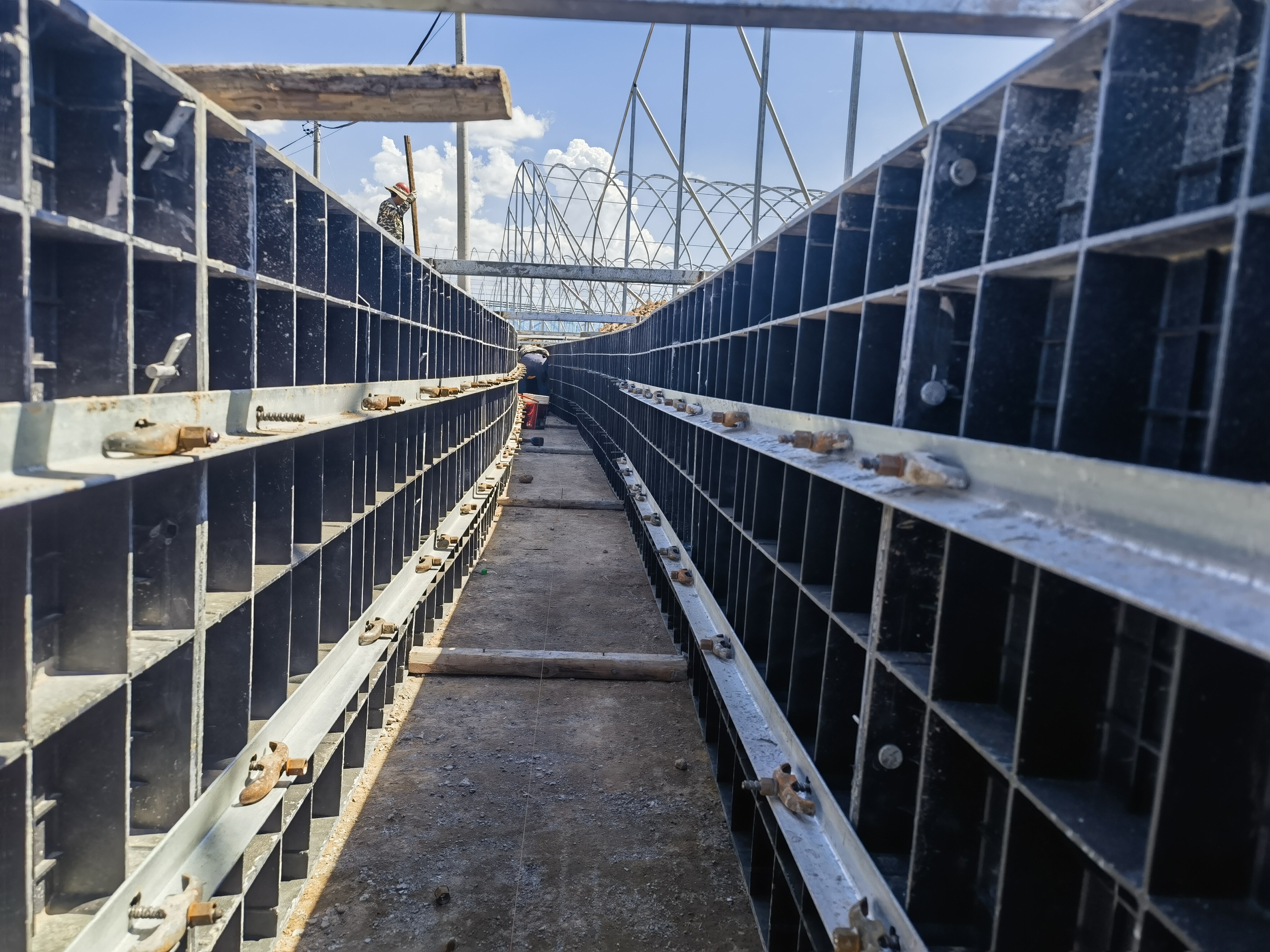
Common Misconception: Plastic Formwork Is Not Strong Enough
One of the most common misconceptions is that plastic formwork cannot withstand concrete pressure. In reality, modern systems are engineered with reinforced rib structures, high-strength PP materials, and load-distribution locking systems to ensure reliable performance. Most issues arise from improper installation rather than material strength, and when correctly supported and assembled, plastic formwork is strong enough for most construction applications.
Learn How This Benefits Your Project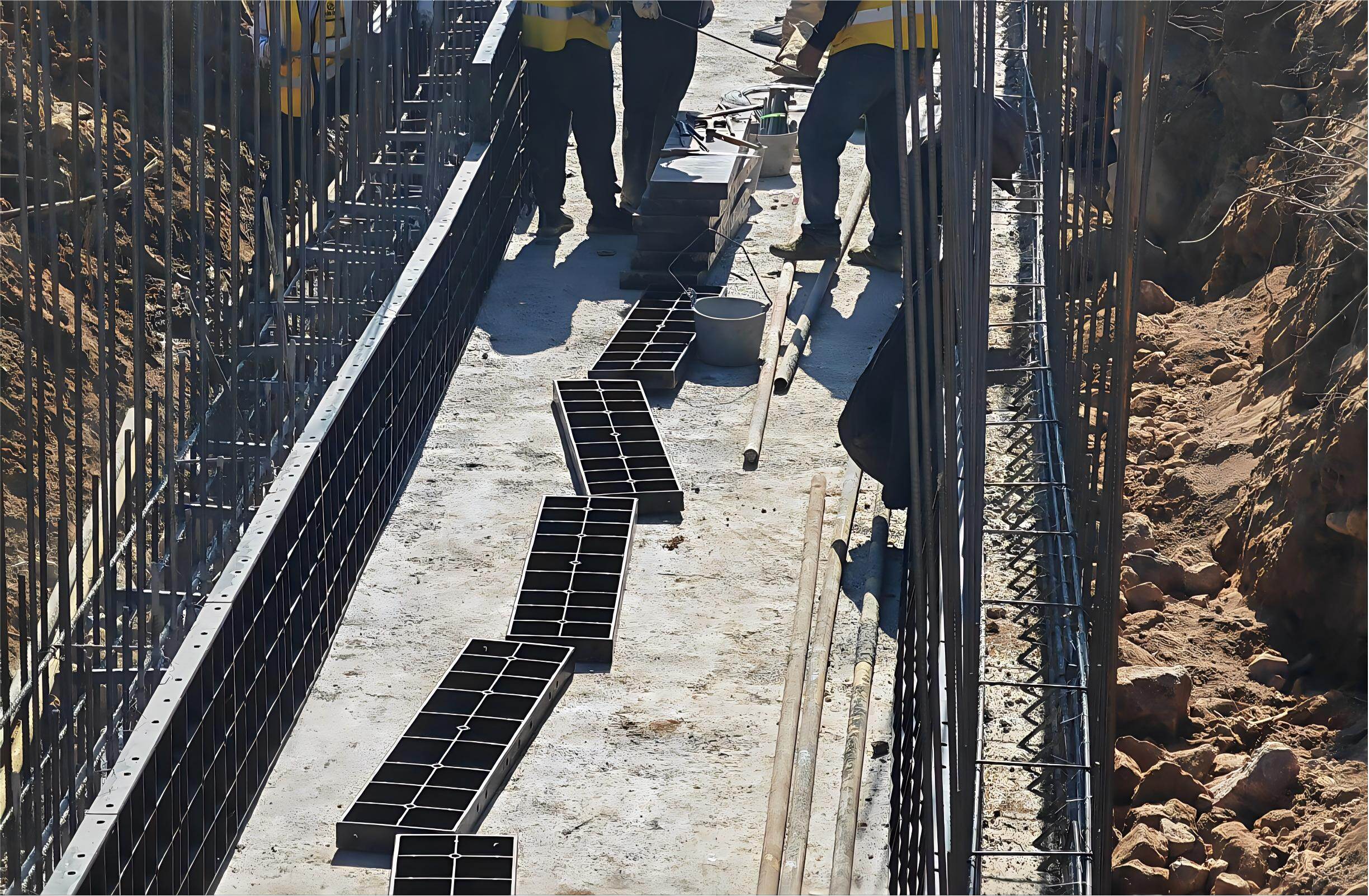
Is Plastic Formwork Suitable for High-Rise Construction?
Plastic formwork is not limited to small projects—it is widely used in residential buildings, commercial structures, and infrastructure developments. Thanks to its lightweight design and modular system, it is well-suited for high-rise construction, offering easier handling, faster installation cycles, and reduced labor costs. These advantages improve overall efficiency while maintaining consistent quality, making plastic formwork a reliable solution for both small-scale and large-scale construction.
Learn How This Benefits Your Project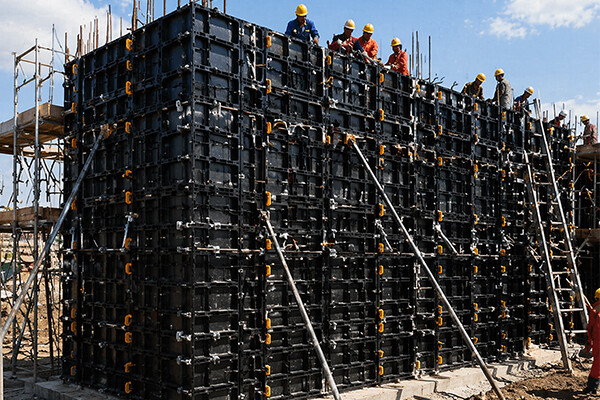
Calculate Your Cost Savings
See how much you can save by switching to plastic formwork. Request a detailed cost analysis for your project.
Request a Quote Today